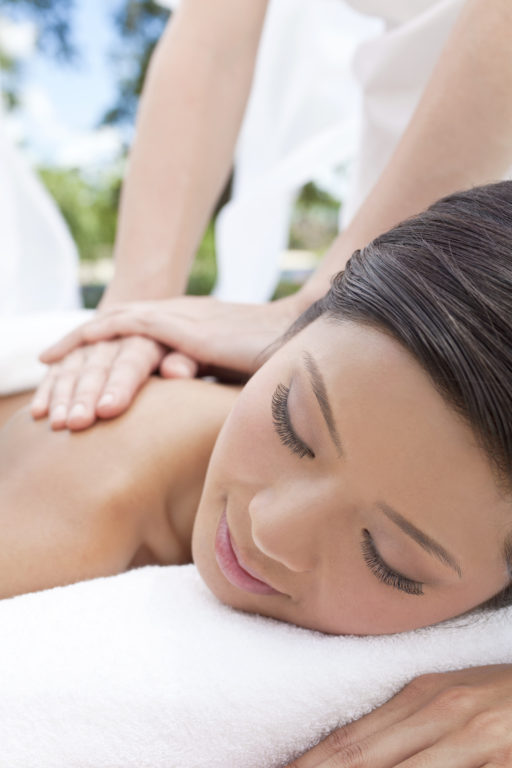
Many first-time clients expect Shiatsu to be painful. Then something interesting happens. A therapist finds a tight spot you didn’t even know existed. “Wow,” you think. “How did they find that?” Five minutes later, you realize your shoulders have dropped two inches and you’re breathing more deeply than you have all week. By the end of the session, some people feel so relaxed that they briefly forget where they parked their car. This is completely normal. Probably.
The funny thing about our bodies is that they constantly communicate with us. A stiff neck? That’s an email. Lower back pain? Another email. Headaches after staring at a computer for eight hours? That’s your body sending an urgent message marked high priority Unfortunately, most of us respond by taking pain relievers, drinking another coffee, and hoping the problem disappears. Shiatsu encourages us to actually read those messages.
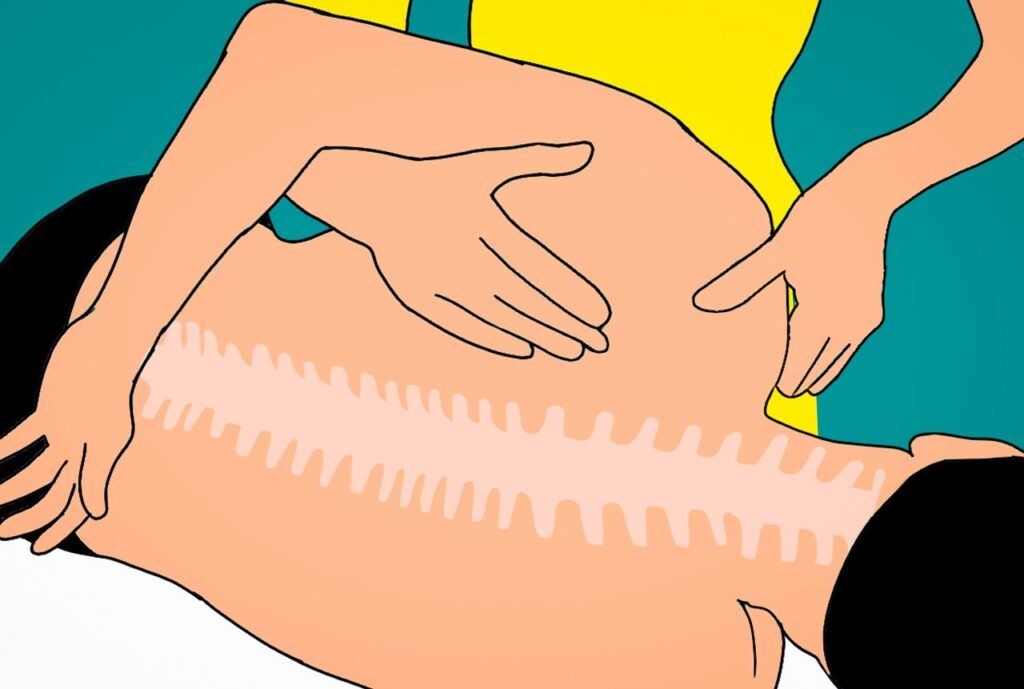
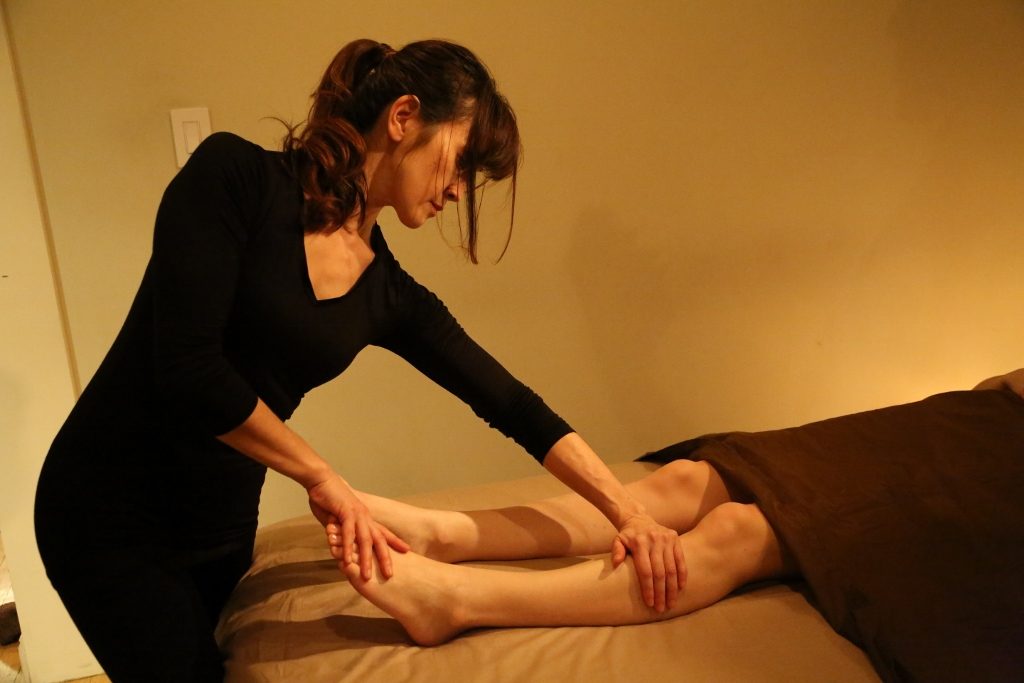
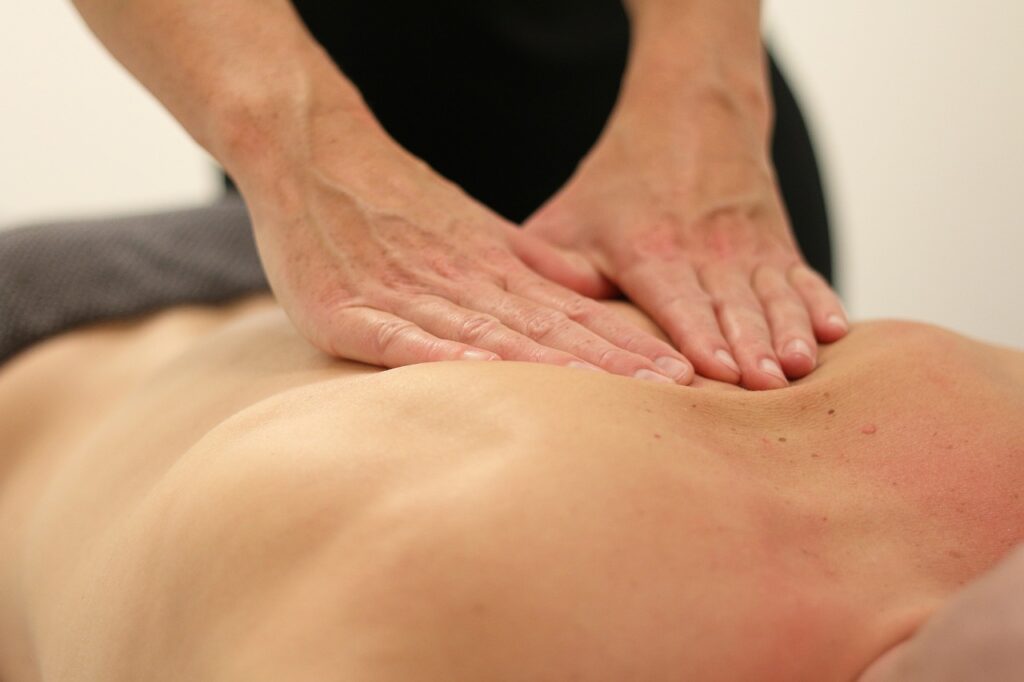
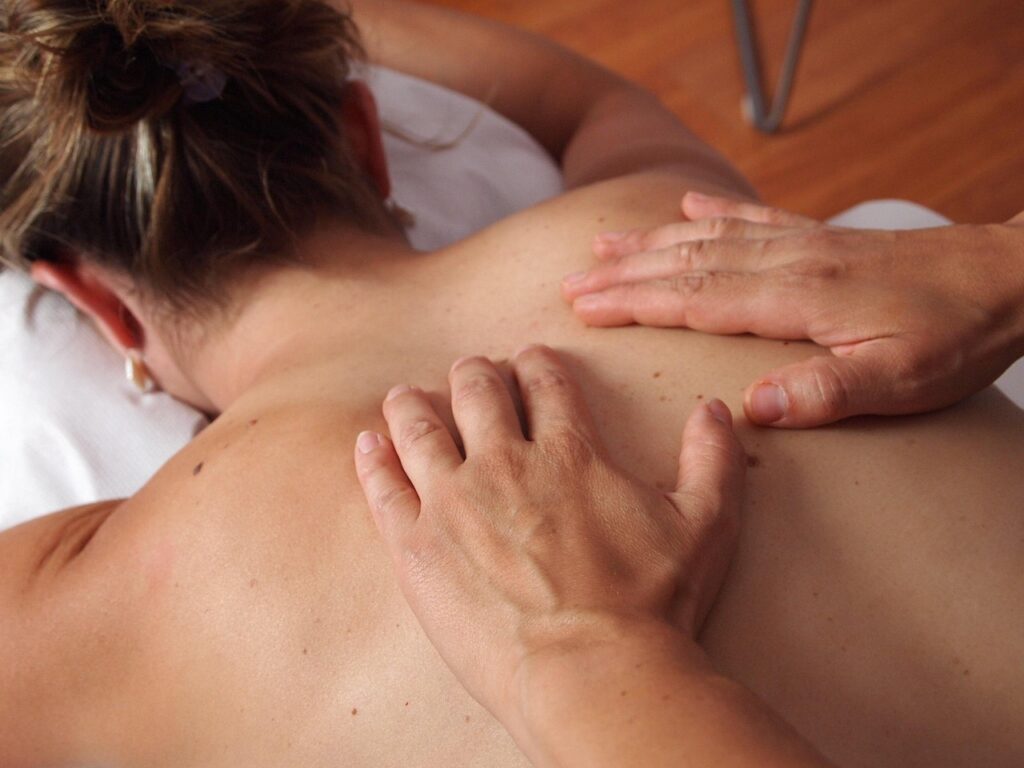
“Shiatsu” literally means “finger pressure” in Japanese. Now, before you imagine someone randomly poking you like they’re trying to find a hidden button, Shiatsu is actually a sophisticated therapeutic technique developed in Japan. Practitioners use their fingers, palms, elbows, and sometimes even knees to apply pressure to specific points on the body. Think of it as a conversation between the therapist and your muscles.
Have you ever wished your body came with a reset button? You know the feeling. Your neck is tighter than a jar lid that refuses to open. Your shoulders are carrying the weight of your job, your family, and probably three months of unanswered emails. Your back makes mysterious sounds every time you stand up. Good news: while humans don’t come with a reset button, Japan came pretty close. It’s called Shiatsu Massage.
If you: * Sit too much, * Stress too much, * Think “I should probably take care of my body someday, Then yes—Shiatsu is absolutely for you. In a world full of noise, notifications, and never-ending to-do lists, Shiatsu is like hitting the reset button your body didn’t know it had. So the next time your shoulders feel like they’re auditioning for a rock band, remember: somewhere out there, a pair of skilled hands is ready to save the day. Because sometimes, the real superheroes don’t wear capes—they use thumbs. Your body will thank you. Probably with fewer complaints and better posture.
After a good Shiatsu session, you might experience: * Sudden lightness in your body * The urge to stand up straighter than ever before * A deep, existential appreciation for your own spine You may also find yourself telling everyone, “I didn’t know I needed this, but I *needed* this!”
According to traditional Eastern medicine, your body has energy highways called *meridians*. When traffic flows smoothly, you feel great. When there’s a jam? Cue fatigue, pain, stress, and that mysterious “ugh” feeling. Shiatsu is like calling in a highly skilled traffic controller—clearing blockages, restoring flow, and getting your body back on schedule. And from a modern perspective? It helps: * Improve circulation * Reduce muscle tension * Boost relaxation * Make you feel like a brand-new human.
“Shiatsu” literally means *finger pressure*—which sounds simple, but don’t be fooled. This is not your average “poke and hope” technique. Shiatsu practitioners use their fingers, palms, elbows, and sometimes even knees (don’t worry—it’s the good kind of knee!) to apply rhythmic pressure along energy pathways in the body. Shiatsu massage, the ancient Japanese art that proves fingers can, in fact, have superpowers.
In today’s digital age, our bodies are under constant strain—from screens, sitting, and stress. Shiatsu offers something rare: human touch with deep awareness. It reminds us to slow down, reconnect with our bodies, and listen to what they truly need. Shiatsu isn’t just a massage. There’s no rushing in Shiatsu. Each touch is intentional, respectful, and calming. It’s a conversation between therapist and body.
Shiatsu is not just about relaxation—it’s therapeutic. Regular sessions may help with: (1) Neck, shoulder, and back pain (2) Headaches and migraines (3) Fatigue and insomnia. (4) Digestive issues (5) Anxiety and emotional stress. Because Shiatsu treats the whole person—not just the symptom—it’s especially effective for people who want a more holistic approach to wellness.