Have you ever wished your body came with a reset button? You know the feeling. Your neck is tighter than a jar lid that refuses to open. Your shoulders are carrying the weight of your job, your family, and probably three months of unanswered emails. Your back makes mysterious sounds every time you stand up. Good news: while humans don’t come with a reset button, Japan came pretty close. It’s called Shiatsu Massage.
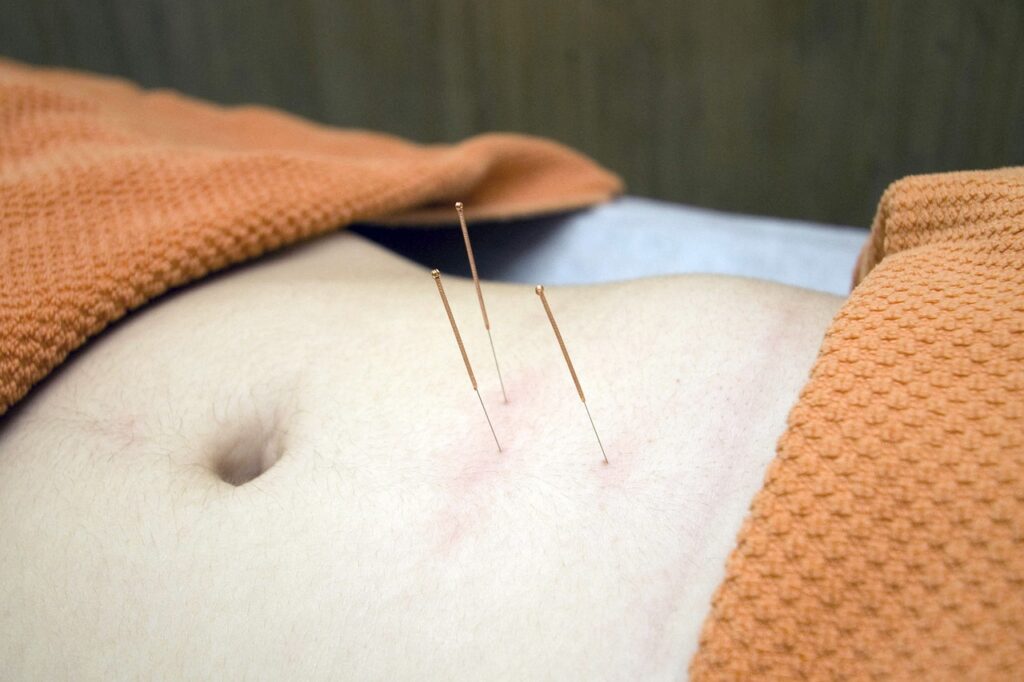
Here’s the weirdest part: once the needles are in, many people fall asleep. Yes, *sleep*. You walk in stressed, your shoulders feel like concrete, your brain is full of emails and deadlines… and twenty minutes later you’re drooling peacefully on the pillow like a relaxed panda. Some patients even start snoring loudly. Millions of people around the world use acupuncture for things like: * Back pain, * Neck and shoulder tension, * Headache, * Stress, * Insomnia, * Digestive issues, * Sports injuries, Even many modern hospitals now offer acupuncture as part of integrative medicine. So yes—there’s something pretty powerful about a few carefully placed needles.
If you: * Sit too much, * Stress too much, * Think “I should probably take care of my body someday, Then yes—Shiatsu is absolutely for you. In a world full of noise, notifications, and never-ending to-do lists, Shiatsu is like hitting the reset button your body didn’t know it had. So the next time your shoulders feel like they’re auditioning for a rock band, remember: somewhere out there, a pair of skilled hands is ready to save the day. Because sometimes, the real superheroes don’t wear capes—they use thumbs. Your body will thank you. Probably with fewer complaints and better posture.
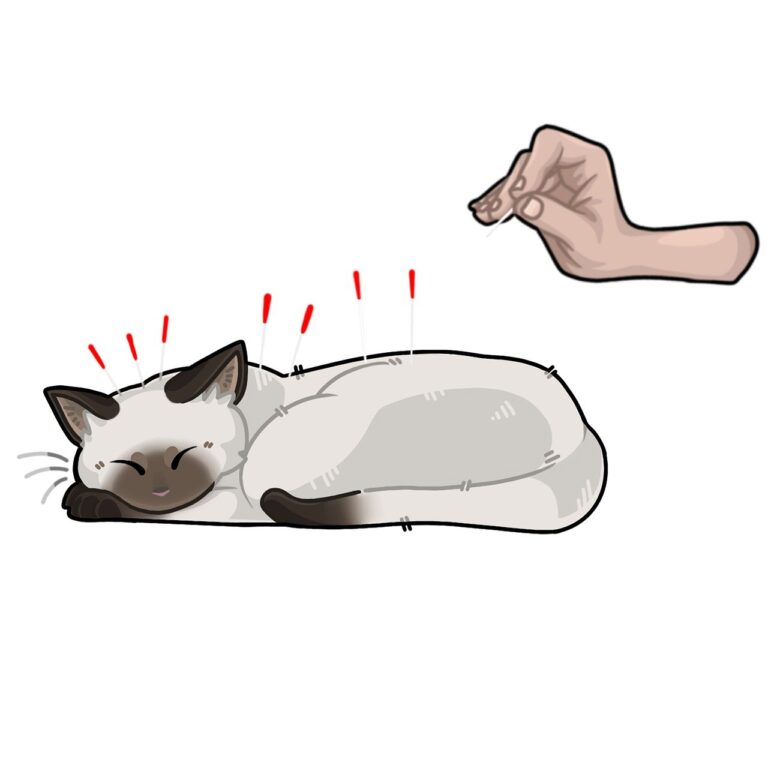
If someone had told me a few years ago that I would willingly lie down on a table while a stranger stuck a bunch of needles into me—and that I would actually *enjoy it*—I would have assumed they were describing some kind of medieval torture experiment. But here we are. Welcome to the wonderful world of **acupuncture**. Yes, needles. But before you run away screaming, let me explain something important: acupuncture needles are *nothing* like the ones used for shots at the doctor’s office. Those are basically tiny spears. Acupuncture needles, on the other hand, are so thin that you could probably fit several of them inside the tip of a typical injection needle. Most people feel almost nothing—maybe a tiny pinch or a weird little sensation like a mosquito that politely asked for permission first.
After a good Shiatsu session, you might experience: * Sudden lightness in your body * The urge to stand up straighter than ever before * A deep, existential appreciation for your own spine You may also find yourself telling everyone, “I didn’t know I needed this, but I *needed* this!”
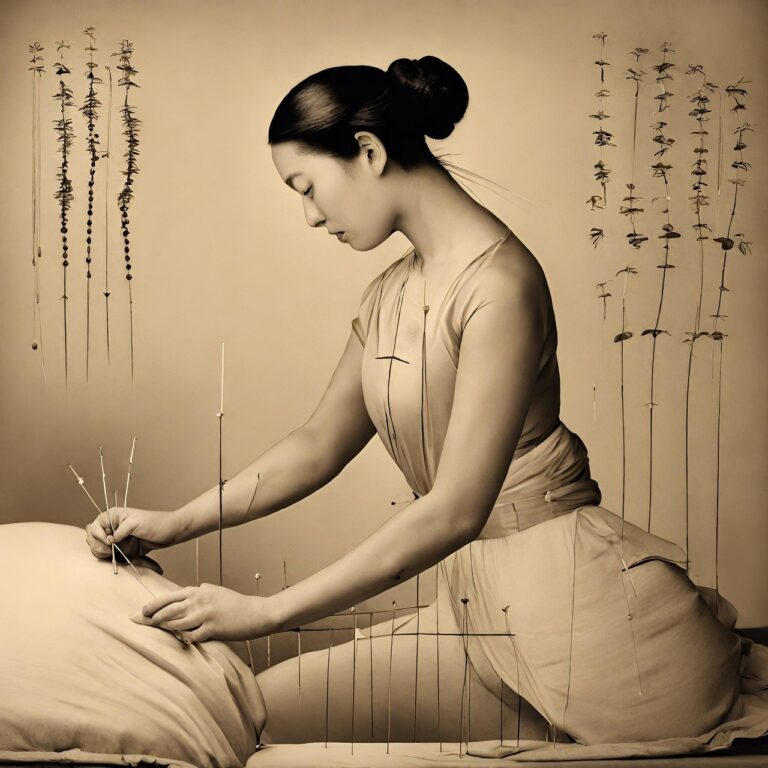
One of the most fascinating things about acupuncture is that it communicates without language. A needle placed on the hand can affect the head. A point on the leg can calm digestion. It’s like discovering hidden switches in the body that have been there all along. Each treatment is different because each person is different. Acupuncture doesn’t ask, “What disease do you have?” It asks, “What pattern is your body showing?” That perspective feels both ancient and surprisingly modern. So next time you hear “acupuncture,” don’t imagine something frightening Imagine a subtle art. A quiet reset button. A conversation between practitioner and body. Sometimes, the smallest tools create the biggest change.
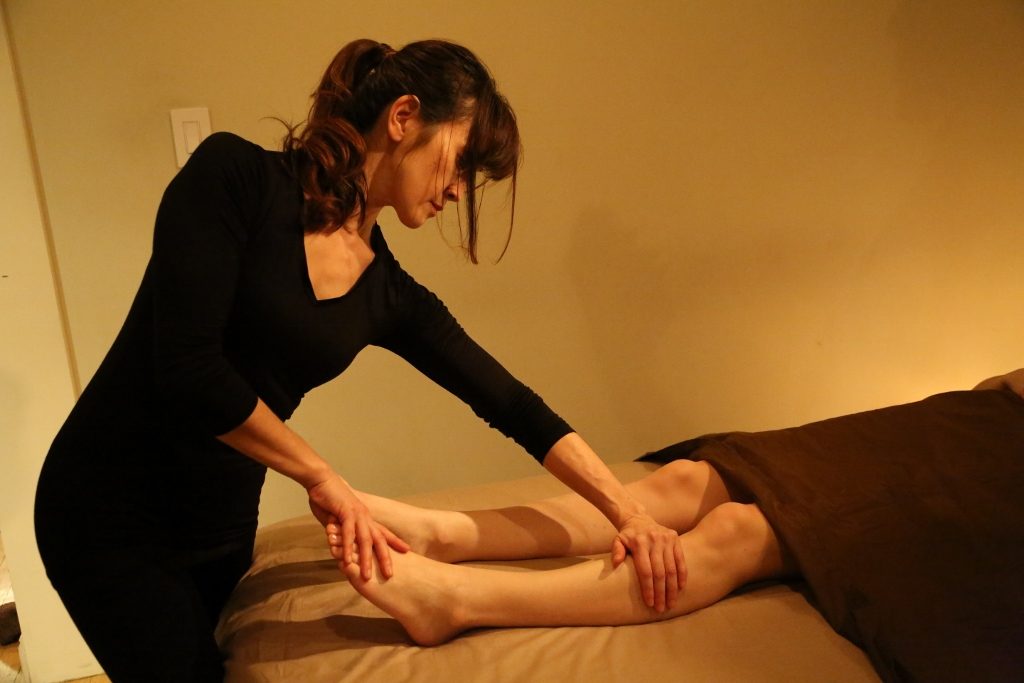
According to traditional Eastern medicine, your body has energy highways called *meridians*. When traffic flows smoothly, you feel great. When there’s a jam? Cue fatigue, pain, stress, and that mysterious “ugh” feeling. Shiatsu is like calling in a highly skilled traffic controller—clearing blockages, restoring flow, and getting your body back on schedule. And from a modern perspective? It helps: * Improve circulation * Reduce muscle tension * Boost relaxation * Make you feel like a brand-new human.
Today I’ll briefly explain the link between seasonal allergies, itching, and gut health. As spring brings more pollen, many people experience sneezing, runny nose, itchy eyes, and skin irritation. While allergies are often seen as reactions to pollen, the condition of the gut plays a major role. In Eastern medicine, the gut, lungs, and skin are closely connected (Gut → Lungs → Skin), which is why symptoms can appear in digestion, respiration, or the skin. Stress can also disrupt gut function, weaken immunity, and worsen allergies. A key factor is “leaky gut,” where a weakened gut barrier allows unwanted substances to trigger immune reactions, leading to allergies and itching. So seasonal allergies are not just about pollen—they are strongly linked to gut health. Supporting the gut can help reduce symptoms and improve overall balance.
Today’s Tip: Focus on balancing your gut and immune system. Acupuncture can help regulate this system, improving respiratory and skin symptoms while also reducing stress-related flare-ups. While we can’t stop pollen, we can improve how the body responds to it.
Many people seek acupuncture for: * Back and neck pain, * Stress and anxiety, * Insomnia, * Digestive issues, * Hormonal imbalance. But sometimes the most powerful effect isn’t just physical. During a treatment, patients lie still for 40–50 minutes. No phone. No talking. Just breathing. For some, that is the first real pause they’ve had in weeks. Acupuncture creates space—space for the body to heal, and space for the mind to settle. In a busy city, that quiet moment can be as therapeutic as the needles themselves.
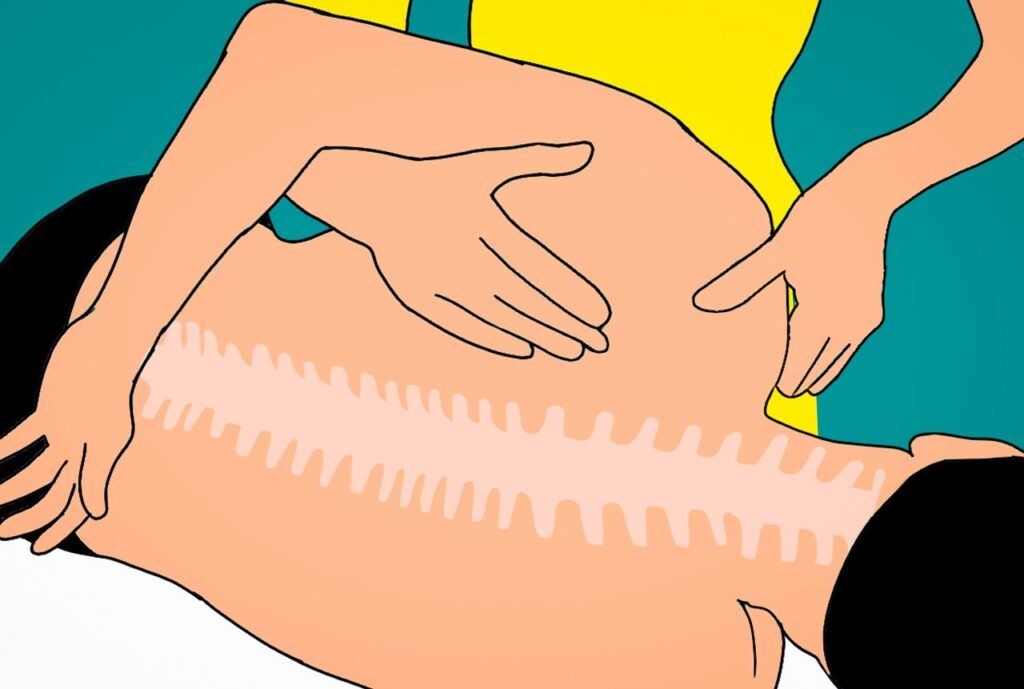
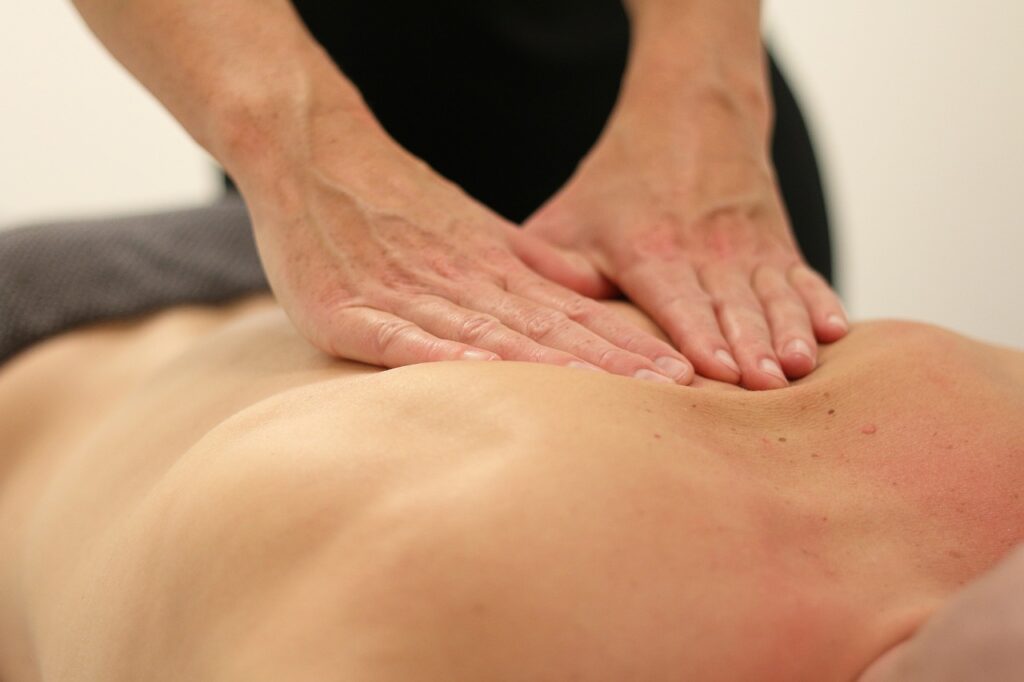
“Shiatsu” literally means *finger pressure*—which sounds simple, but don’t be fooled. This is not your average “poke and hope” technique. Shiatsu practitioners use their fingers, palms, elbows, and sometimes even knees (don’t worry—it’s the good kind of knee!) to apply rhythmic pressure along energy pathways in the body. Shiatsu massage, the ancient Japanese art that proves fingers can, in fact, have superpowers.