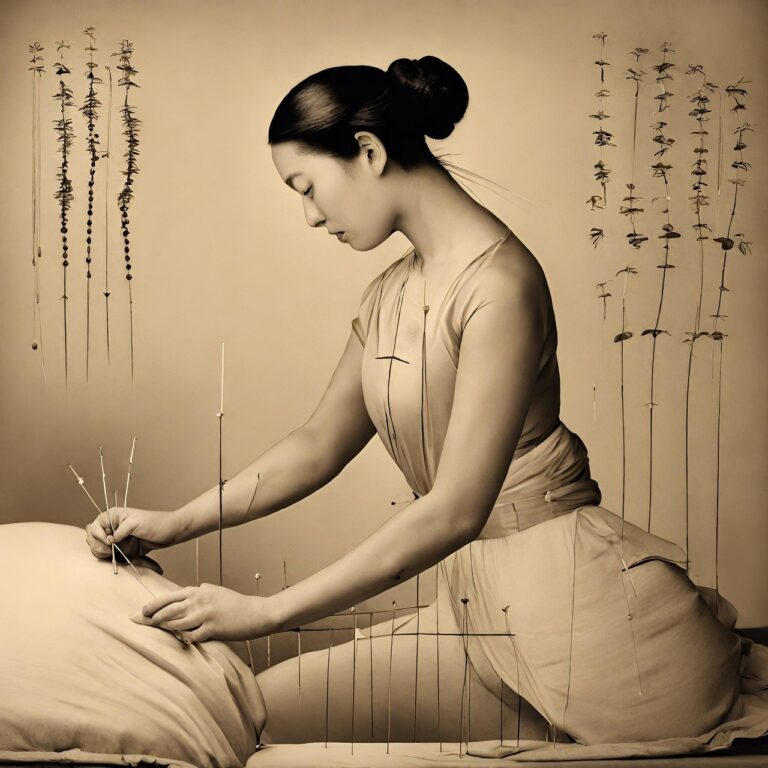
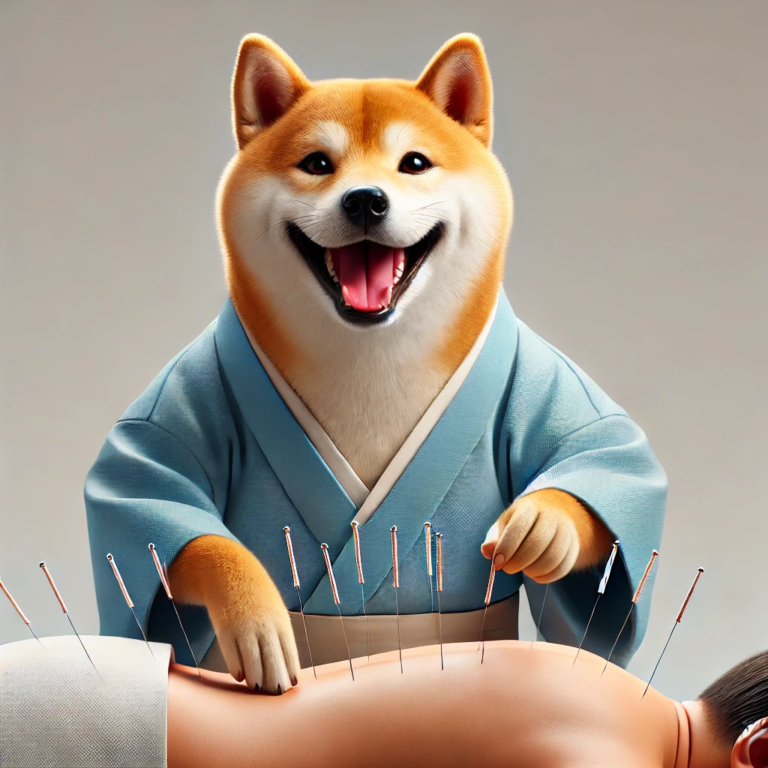
Think of your body like an orchestra. When every instrument is in tune, the music flows beautifully. But if one section falls out of rhythm, the entire performance changes. Acupuncture works like a skilled conductor, helping restore balance rather than overpowering the music.
Why Acupuncture isn’t about magic? Have you ever noticed that your body whispers before it screams? A stiff neck after stressful meetings. Trouble sleeping before an important event. A stomach that feels “off” when life gets overwhelming. These aren’t random problems—they’re your body’s way of asking for attention. Acupuncture is unique because it doesn’t simply ask, “Where does it hurt?” It also asks, “Why is your body sending this message?”
After a session, people often say things like: “I feel lighter”, “My shoulders finally relaxed”, “My pain is gone”, “I slept like a baby”. Which is amazing… considering all that happened was a little strategic poking. Acupuncture may be thousands of years old, but in today’s stressed-out, screen-obsessed world, it might be more useful than ever. So if your body feels like a tangled mess of stress, tension, and bad posture, maybe it’s time to try a different solution. Sometimes the best way to fix the problem is a few well-placed needles.
Here’s the weirdest part: once the needles are in, many people fall asleep. Yes, *sleep*. You walk in stressed, your shoulders feel like concrete, your brain is full of emails and deadlines… and twenty minutes later you’re drooling peacefully on the pillow like a relaxed panda. Some patients even start snoring loudly. Millions of people around the world use acupuncture for things like: * Back pain, * Neck and shoulder tension, * Headache, * Stress, * Insomnia, * Digestive issues, * Sports injuries, Even many modern hospitals now offer acupuncture as part of integrative medicine. So yes—there’s something pretty powerful about a few carefully placed needles.
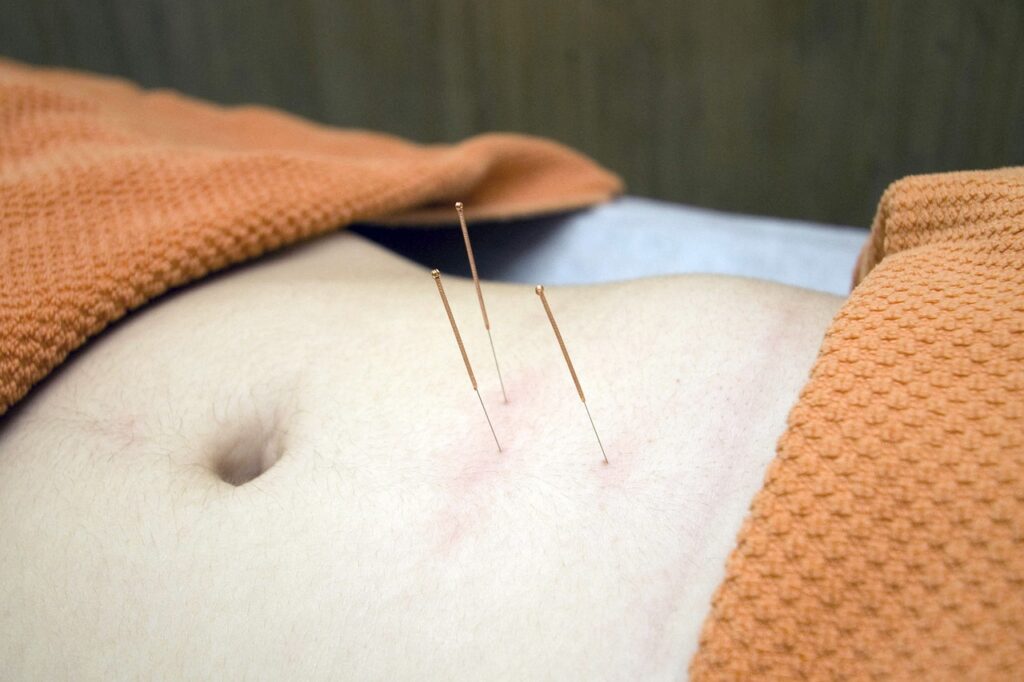
If someone had told me a few years ago that I would willingly lie down on a table while a stranger stuck a bunch of needles into me—and that I would actually *enjoy it*—I would have assumed they were describing some kind of medieval torture experiment. But here we are. Welcome to the wonderful world of **acupuncture**. Yes, needles. But before you run away screaming, let me explain something important: acupuncture needles are *nothing* like the ones used for shots at the doctor’s office. Those are basically tiny spears. Acupuncture needles, on the other hand, are so thin that you could probably fit several of them inside the tip of a typical injection needle. Most people feel almost nothing—maybe a tiny pinch or a weird little sensation like a mosquito that politely asked for permission first.
One of the most fascinating things about acupuncture is that it communicates without language. A needle placed on the hand can affect the head. A point on the leg can calm digestion. It’s like discovering hidden switches in the body that have been there all along. Each treatment is different because each person is different. Acupuncture doesn’t ask, “What disease do you have?” It asks, “What pattern is your body showing?” That perspective feels both ancient and surprisingly modern. So next time you hear “acupuncture,” don’t imagine something frightening Imagine a subtle art. A quiet reset button. A conversation between practitioner and body. Sometimes, the smallest tools create the biggest change.
Today I’ll briefly explain the link between seasonal allergies, itching, and gut health. As spring brings more pollen, many people experience sneezing, runny nose, itchy eyes, and skin irritation. While allergies are often seen as reactions to pollen, the condition of the gut plays a major role. In Eastern medicine, the gut, lungs, and skin are closely connected (Gut → Lungs → Skin), which is why symptoms can appear in digestion, respiration, or the skin. Stress can also disrupt gut function, weaken immunity, and worsen allergies. A key factor is “leaky gut,” where a weakened gut barrier allows unwanted substances to trigger immune reactions, leading to allergies and itching. So seasonal allergies are not just about pollen—they are strongly linked to gut health. Supporting the gut can help reduce symptoms and improve overall balance.
Today’s Tip: Focus on balancing your gut and immune system. Acupuncture can help regulate this system, improving respiratory and skin symptoms while also reducing stress-related flare-ups. While we can’t stop pollen, we can improve how the body responds to it.
Many people seek acupuncture for: * Back and neck pain, * Stress and anxiety, * Insomnia, * Digestive issues, * Hormonal imbalance. But sometimes the most powerful effect isn’t just physical. During a treatment, patients lie still for 40–50 minutes. No phone. No talking. Just breathing. For some, that is the first real pause they’ve had in weeks. Acupuncture creates space—space for the body to heal, and space for the mind to settle. In a busy city, that quiet moment can be as therapeutic as the needles themselves.
We live in a world of screens, deadlines, and constant notifications. Stress has become normal. Headaches are common. Sleep problems are everywhere. Interestingly, modern research suggests acupuncture may help regulate the nervous system, improve blood circulation, and reduce inflammation. In other words, this ancient therapy fits surprisingly well into modern healthcare.
One of the biggest surprises for first-time patients is this: It doesn’t really hurt. Acupuncture needles are extremely thin—much thinner than injection needles. Most people feel a tiny sensation, sometimes warmth, heaviness, or a dull ache. In acupuncture, this feeling is called “arrival of Qi.” Qi (pronounced “chee”) is often described as vital energy, but you can also think of it as the body’s communication system. When Qi flows smoothly, we feel good. When it gets stuck, we feel pain, stress, or fatigue. Acupuncture helps “restart the traffic flow.