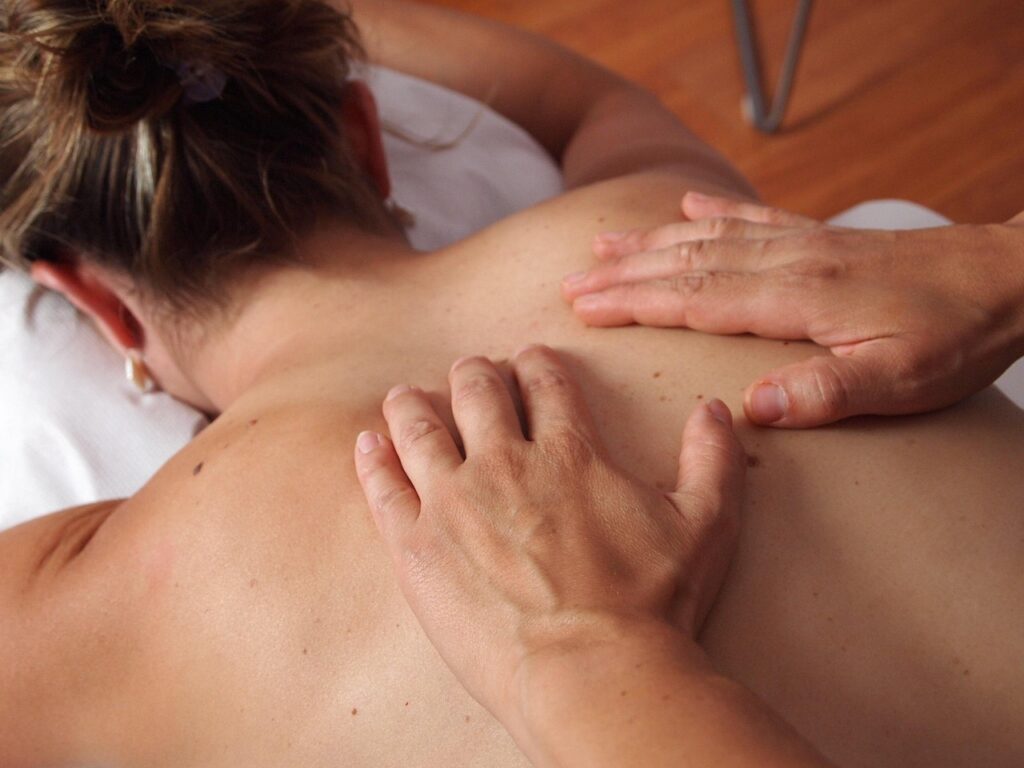
“Shiatsu” literally means *finger pressure*—which sounds simple, but don’t be fooled. This is not your average “poke and hope” technique. Shiatsu practitioners use their fingers, palms, elbows, and sometimes even knees (don’t worry—it’s the good kind of knee!) to apply rhythmic pressure along energy pathways in the body. Shiatsu massage, the ancient Japanese art that proves fingers can, in fact, have superpowers.
We live in a world of screens, deadlines, and constant notifications. Stress has become normal. Headaches are common. Sleep problems are everywhere. Interestingly, modern research suggests acupuncture may help regulate the nervous system, improve blood circulation, and reduce inflammation. In other words, this ancient therapy fits surprisingly well into modern healthcare.
In today’s digital age, our bodies are under constant strain—from screens, sitting, and stress. Shiatsu offers something rare: human touch with deep awareness. It reminds us to slow down, reconnect with our bodies, and listen to what they truly need. Shiatsu isn’t just a massage. There’s no rushing in Shiatsu. Each touch is intentional, respectful, and calming. It’s a conversation between therapist and body.
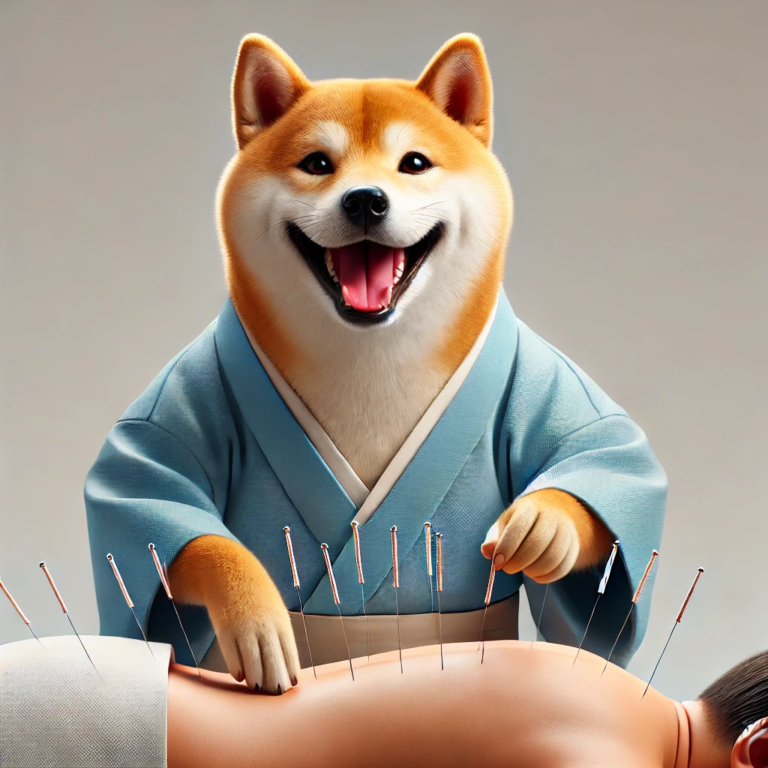
One of the biggest surprises for first-time patients is this: It doesn’t really hurt. Acupuncture needles are extremely thin—much thinner than injection needles. Most people feel a tiny sensation, sometimes warmth, heaviness, or a dull ache. In acupuncture, this feeling is called “arrival of Qi.” Qi (pronounced “chee”) is often described as vital energy, but you can also think of it as the body’s communication system. When Qi flows smoothly, we feel good. When it gets stuck, we feel pain, stress, or fatigue. Acupuncture helps “restart the traffic flow.
Shiatsu is not just about relaxation—it’s therapeutic. Regular sessions may help with: (1) Neck, shoulder, and back pain (2) Headaches and migraines (3) Fatigue and insomnia. (4) Digestive issues (5) Anxiety and emotional stress. Because Shiatsu treats the whole person—not just the symptom—it’s especially effective for people who want a more holistic approach to wellness.