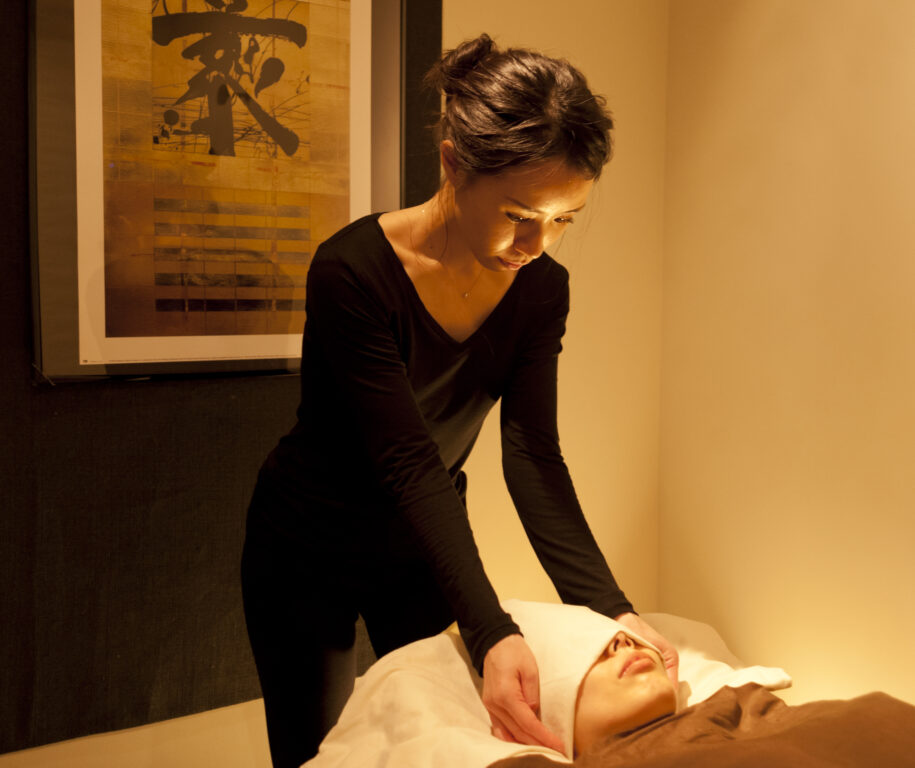
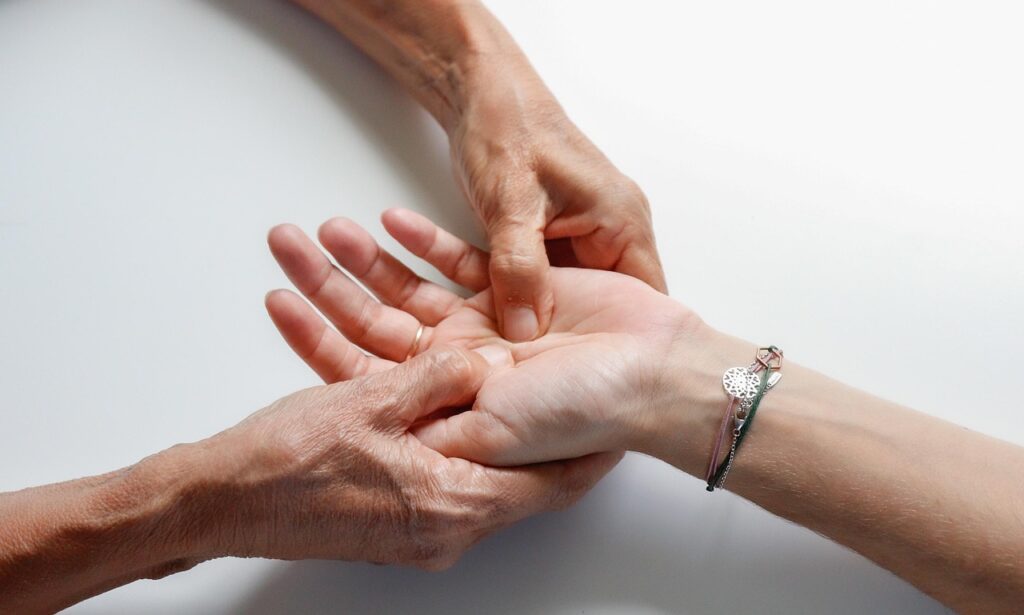
In today’s digital age, our bodies are under constant strain—from screens, sitting, and stress. Shiatsu offers something rare: human touch with deep awareness. It reminds us to slow down, reconnect with our bodies, and listen to what they truly need. Shiatsu isn’t just a massage. There’s no rushing in Shiatsu. Each touch is intentional, respectful, and calming. It’s a conversation between therapist and body.
One of the biggest surprises for first-time patients is this: It doesn’t really hurt. Acupuncture needles are extremely thin—much thinner than injection needles. Most people feel a tiny sensation, sometimes warmth, heaviness, or a dull ache. In acupuncture, this feeling is called “arrival of Qi.” Qi (pronounced “chee”) is often described as vital energy, but you can also think of it as the body’s communication system. When Qi flows smoothly, we feel good. When it gets stuck, we feel pain, stress, or fatigue. Acupuncture helps “restart the traffic flow.
Shiatsu is not just about relaxation—it’s therapeutic. Regular sessions may help with: (1) Neck, shoulder, and back pain (2) Headaches and migraines (3) Fatigue and insomnia. (4) Digestive issues (5) Anxiety and emotional stress. Because Shiatsu treats the whole person—not just the symptom—it’s especially effective for people who want a more holistic approach to wellness.
When people hear the word “acupuncture,” many imagine a scene from ancient Asia—dim light, soft music, and a practitioner holding very long needles. It sounds mysterious, maybe even a little scary. But the truth is much more interesting. Acupuncture is a key part of **Traditional Chinese Medicine**, a medical system that has been practiced for over 2,000 years. Instead of focusing only on symptoms, it looks at the body as a whole—like an orchestra. When one instrument is out of tune, the entire performance changes. Acupuncture is the gentle conductor bringing everything back into harmony.
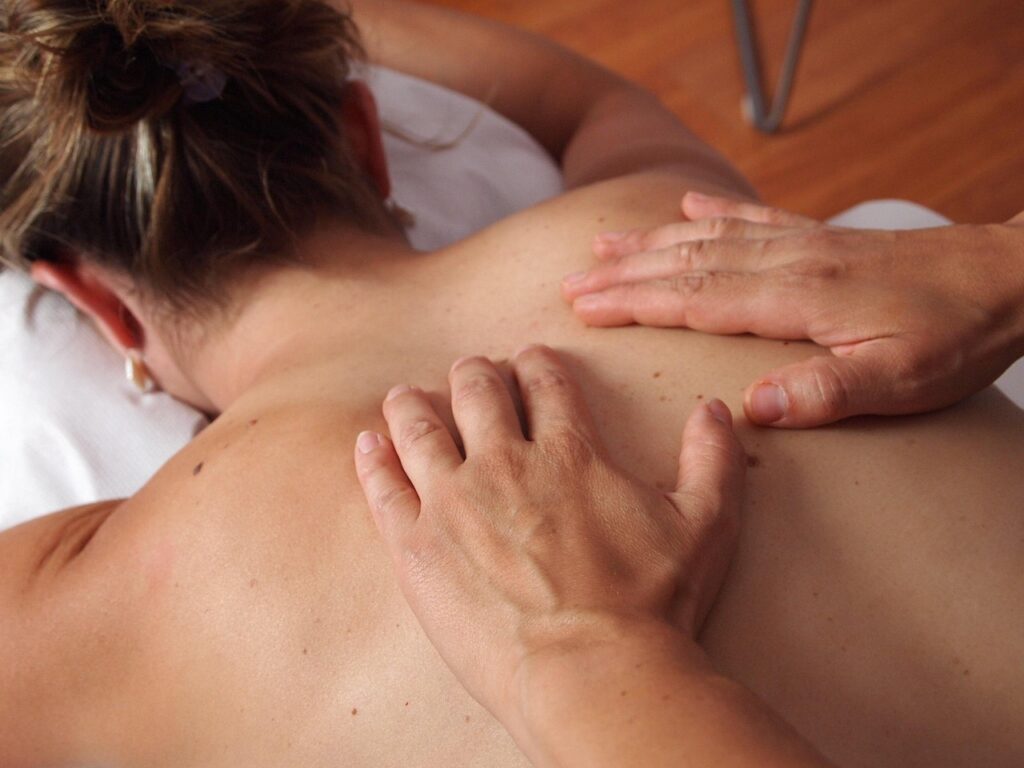
“Shiatsu” literally means finger pressure in Japanese. Unlike oil-based massage styles, Shiatsu is performed fully clothed and focuses on applying rhythmic pressure to specific points on the body using thumbs, palms, elbows, and sometimes knees. These points follow the body’s natural energy pathways, known as meridians, similar to those used in acupuncture. The goal is simple but profound: Restore balance to the body and mind.
Acupuncture is not about needles—it’s about stillness, connection, and rediscovering your natural rhythm. Whether you’re seeking relief, balance, or simply a moment of peace, the art of acupuncture offers a beautiful reminder: healing begins when we pause.
In a world that moves faster every day, stress has become part of our routine. Tight shoulders, tired eyes, restless sleep—many of us live with these symptoms without realizing how deeply our bodies are asking for care. One gentle yet powerful way to answer that call is through Shiatsu massage, a traditional Japanese healing art.
What makes acupuncture truly special is its holistic approach. It doesn’t just chase symptoms; it listens to your story. Your digestion, sleep, mood, and energy are all connected, and your treatment reflects that. In a world obsessed with speed, acupuncture invites you to *slow down* and listen—to your body, your breath, and the quiet wisdom within.
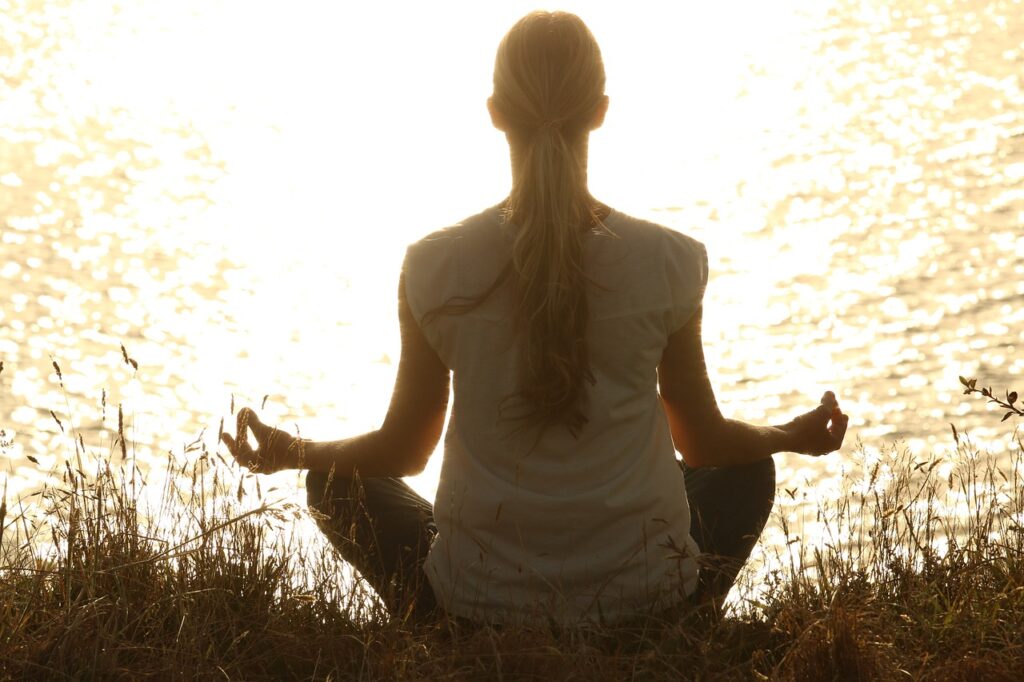
Shiatsu teaches us that healing doesn’t always require words, medicine, or machines. Sometimes, it just requires **presence** — a moment where one human being connects to another through touch, intention, and care. So next time you feel your shoulders tighten or your mind race, pause. Place your hands over your heart. Breathe deeply. You’ve already begun practicing the spirit of Shiatsu.
Modern research shows that acupuncture stimulates the nervous system, increases blood flow, and releases endorphins—the body’s natural painkillers. It’s now used worldwide to treat everything from migraines and insomnia to anxiety and chronic pain. Even athletes use it to speed recovery.