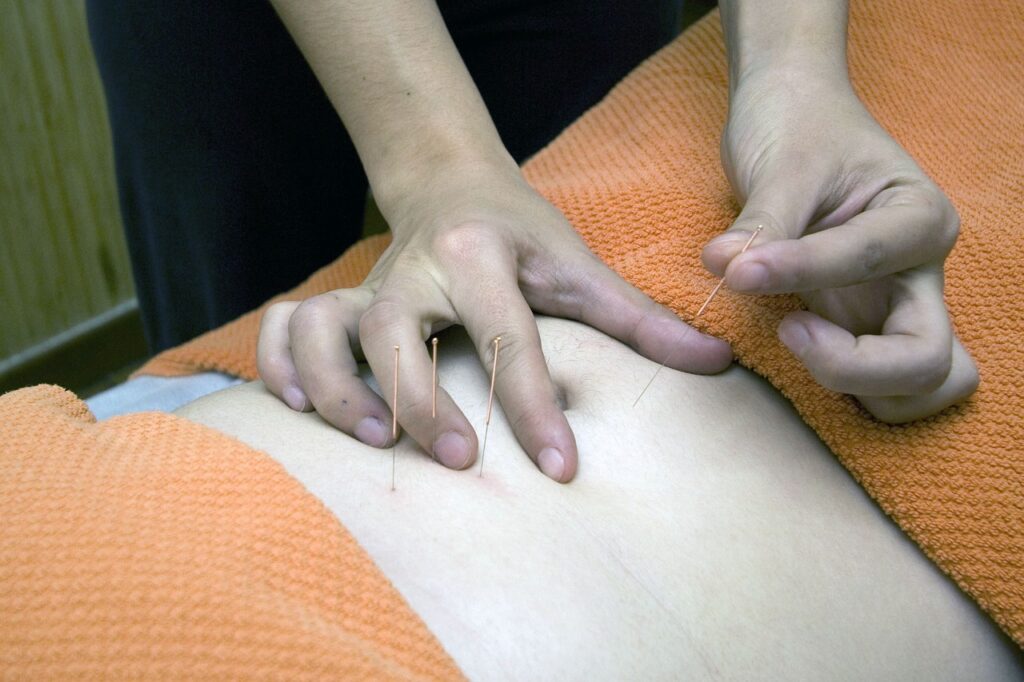
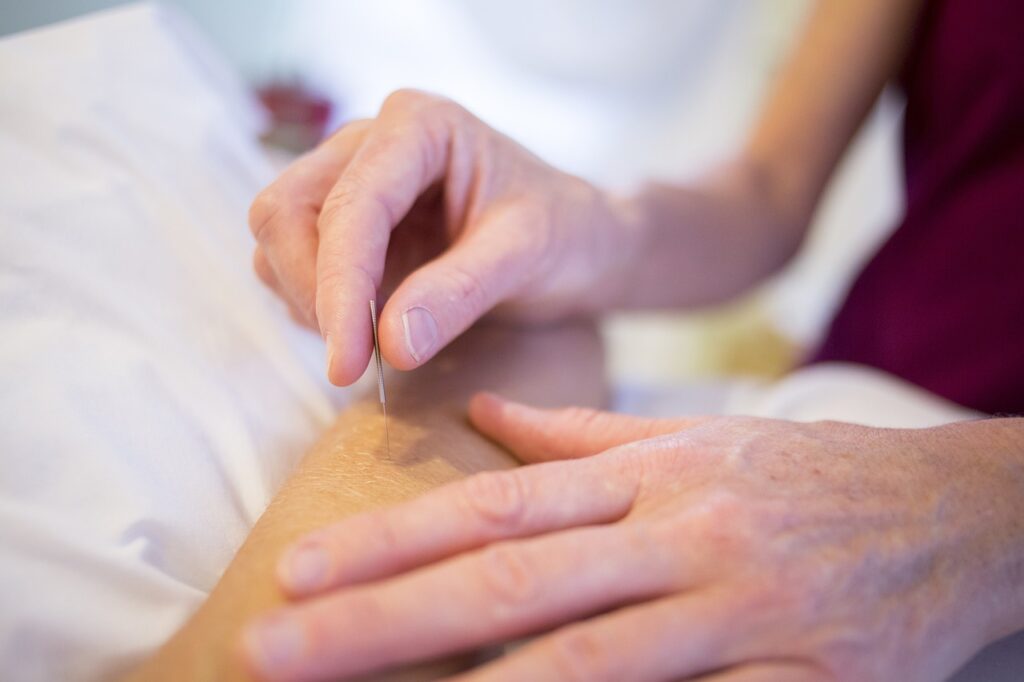
Acupuncture is a form of alternative medicine and a key component of traditional Chinese medicine (TCM) in which thin needles are inserted into the body. Research suggests that acupuncture can help relieve pain, especially in the teeth, jaw, neck, shoulder, low back and knee. Other painful conditions that can benefit from acupuncture include: headaches and migraines. tennis elbow.
AAT was developed from over 28 years of clinical research, and it does not rely on the use of medications, herbal remedies, avoidance or supplements. Instead, the therapy involves a series of gentle and painless treatments that are tailored to each patient’s specific needs. These treatments use a combination of acupressure and chiropractic principles that access the organ systems, calm the sympathetic nervous system and help to reprogram the body to longer react inappropriately to harmless substances.
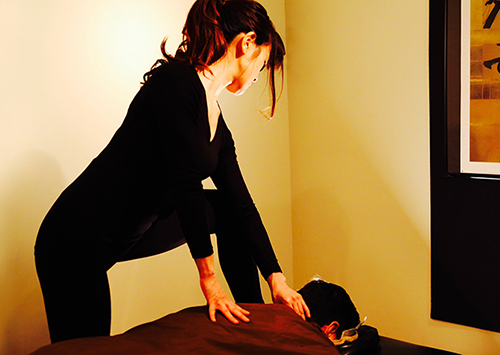
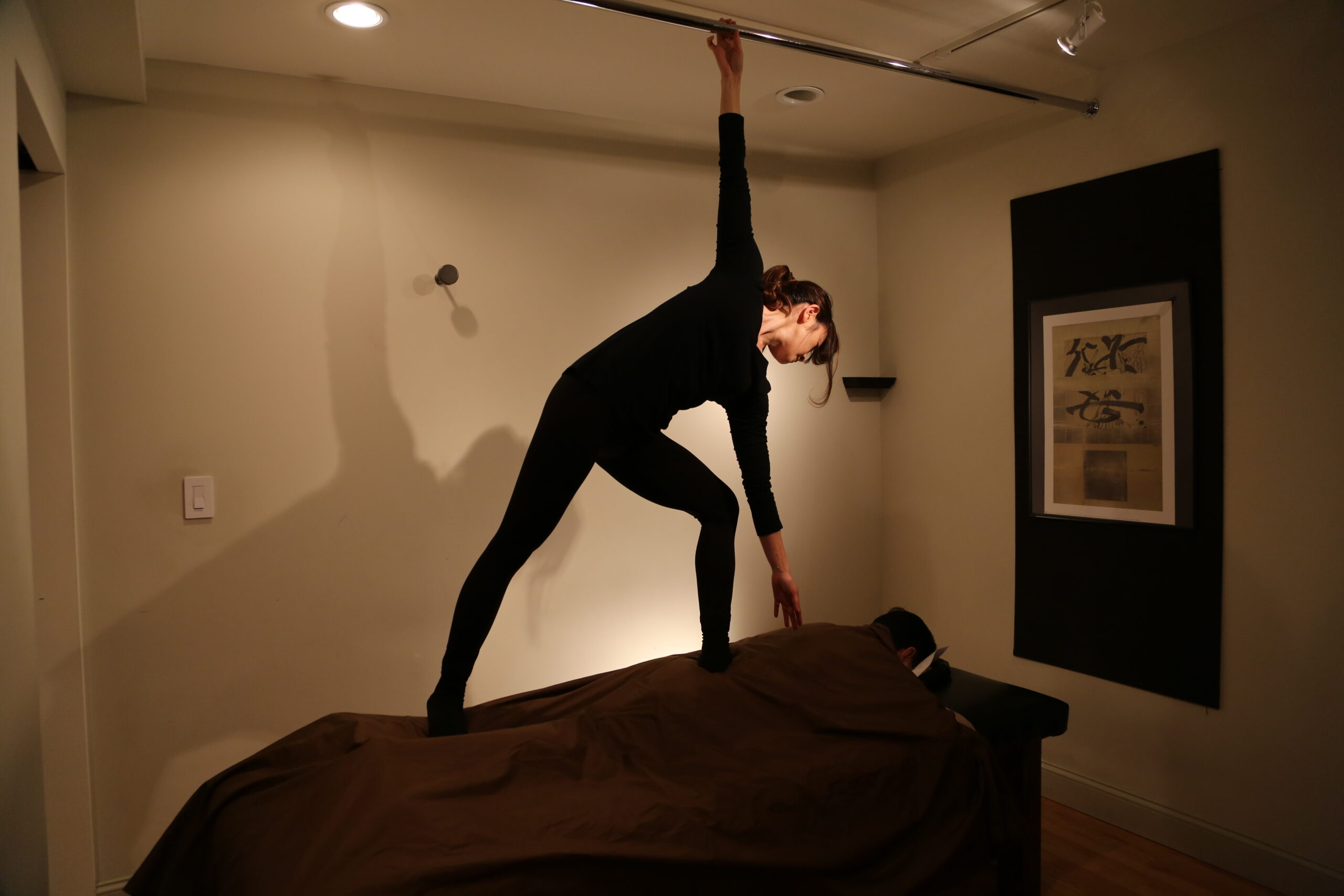
Shiatsu can be performed while the recipient lies on a massage table allowing the practitioner access from all sides and the ability to apply pressure using body weight. No massage oils or lotions are used or needed because the practitioner does not slide along the body surface, but gives a series of presses along the meridian lines.
Using the theories of Traditional Chinese Medicine (TCM) and very thin disposable needles, Japanese Acupuncture will assist you to get your own natural healing power back. It will adjust the autonomic nervous system, and help you to have better sleep, make your immune system stronger, and relieve your various types of pains.
Advanced Allergy Therapeutics: What is it and What Symptoms, and Conditions Can it Address? Allergy and sensitivity symptoms can significantly impact a person’s quality of life, and many people struggle to find effective treatment options. Advanced Allergy Therapeutics (AAT) is a precision-based therapy that offers a unique approach to treating the many symptoms associated with allergies and sensitivities. In this blog post, we will explore what AAT is, how it works, and the conditions it can help with. AAT is a clinically proven, precision-based therapy that offers a unique approach to treating the symptoms associated with allergies and sensitivities. Unlike traditional allergy treatments that focus only on the immune system’s reaction to an allergen, AAT works directly with the relationship between the major organ systems and overreactions to harmless substances. By retraining the body to respond more appropriately to allergens, AAT offers a non-invasive, drug-free solution to managing allergy and sensitivity-related symptoms and conditions.
Shiatsu works directly to calm the autonomic nervous system, which has the effect of calming nervous distress and increasing resistance to stress. By promoting blood and lymph circulation, Shiatsu helps to maintain healthy muscle tone and internal organ functions, and strengthen the immune system.
Shiatsu is a form of bodywork performed with thumbs, fingers, palms, elbows, feet and knees. Pressure is applied to all areas of the body along specific pathways called Meridian-line which is used in Traditional Oriental Medicine for acupuncture. It is understood that this technique stimulates the natural healing power of the body.
The focus of Shiatsu massage is to treat an entire meridian which is just like a highway of the qi-energy on the surface of the body. This is based on the theory that the imbalances to be addressed are based in the meridians, which require a free flow of qi-energy throughout. Thus Shiatsu can become an important aspect of preventive health care as well as treatment for existing symptoms.
Perpendicular penetration without side-to-side motion, unlike many massage techniques where movement across the surface is emphasized, Shiatsu uses penetration at each point, perpendicular to the body surface, to active the spot (“tsubo”) on the meridians.
It is known that the body has acu-pressure points called “tsubo” that can receive the pressing by the practitioner, the muscle gives way to the penetrating force to let it enter, rather than being pushed away by pressure. The result is an entirely different experience than mere finger-pressing. The practitioner is required to have the correct body position in relation to the recipient and be mindful of the technique being used.
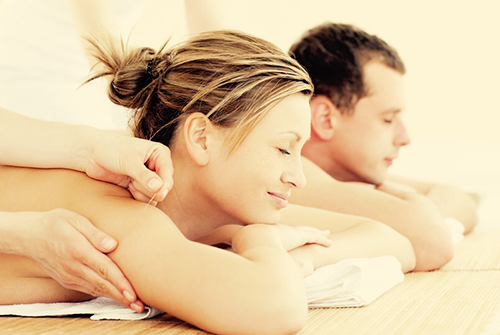
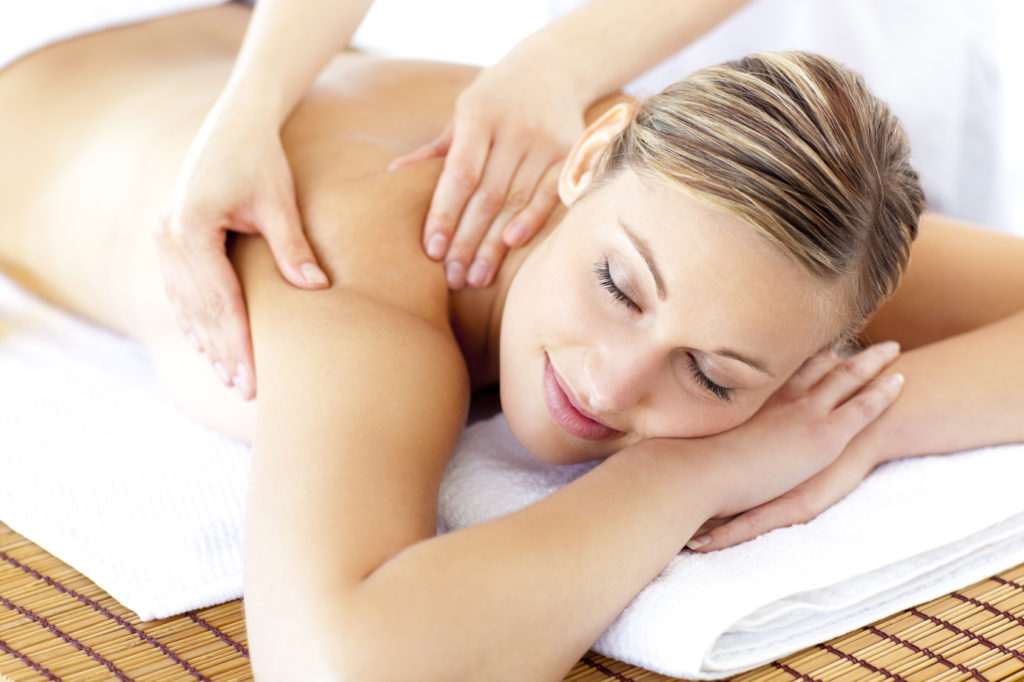
Relaxed smiling woman receiving a back massage in a spa