According to Shiatsu philosophy, our body is crisscrossed with energy pathways called meridians. Sometimes, these pathways get blocked, leading to aches, pains, and general discomfort. The goal of Shiatsu is to unblock these pathways and restore the body’s natural flow of energy—or qi (pronounced “chee”). The pressure points targeted during a Shiatsu session can help with a wide range of issues, from back pain and stiff shoulders to stress relief and improved digestion. It’s a holistic therapy, meaning it focuses on balancing the entire body, not just treating isolated symptoms.
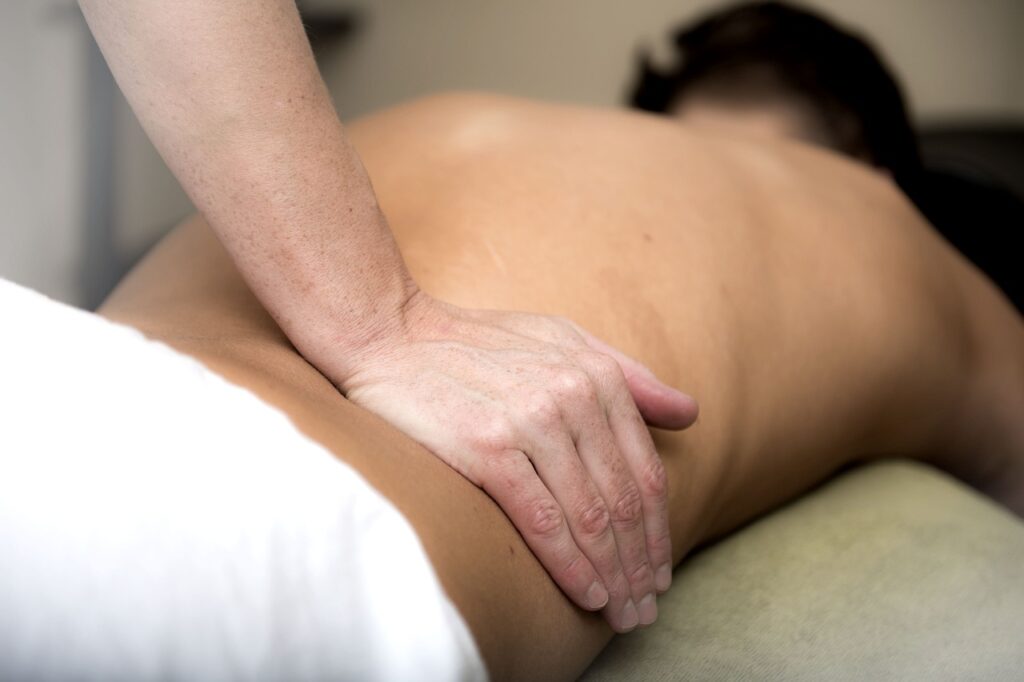
Imagine lying down, closing your eyes, and feeling a wave of relaxation sweep over you as gentle yet firm pressure releases tension from your body. This isn’t a daydream—it’s Shiatsu, which literally means “finger pressure” in Japanese, is a traditional therapy that involves applying pressure to specific points on the body using thumbs, palms, elbows, feet and fingers. It’s like a massage, but with a twist—think of it as a mix of a deep tissue massage, acupressure, and meditation, all rolled into one.
Modern research has shown that acupuncture can help with various conditions, from chronic pain and migraines to stress and insomnia. The stimulation of these points triggers the release of endorphins, the body’s natural painkillers, promoting both physical and emotional healing.
From relieving chronic pain to boosting immune function, the benefits are profound. Studies show that regular massages can reduce anxiety, improve sleep, and even enhance circulation. Whether it’s a deep tissue massage to unwind or a Shiatsu massage to work out those knots, there’s a style for everyone.
Acupuncture is an ancient Chinese practice that has been used for over 2,500 years. Based on the principle of restoring balance within the body, it involves inserting fine needles into specific points on the skin. These points, known as meridians, are believed to regulate energy flow, or “Qi,” throughout the body.
Shiatsu isn’t just a treatment; it’s an experience—a moment to reconnect with your body and mind. In a world that often demands more than we can give, Shiatsu invites us to slow down, breathe, and heal from within. So next time life feels overwhelming, why not give Shiatsu a try? Your body will thank you.
As we navigate the complexities of modern life, acupuncture offers a serene and effective path to health. Its blend of ancient wisdom and contemporary understanding makes it a unique and valuable tool in our wellness arsenal. Whether you’re seeking relief from a specific condition or simply looking to enhance your overall health, acupuncture invites you to discover the profound benefits of this time-honored practice.
While Shiatsu has ancient roots, its benefits are very much in tune with modern needs. In an era where we’re constantly connected and always on the go, the grounding and centering effects of Shiatsu offer a much-needed antidote. Whether you’re dealing with chronic pain, stress, or simply looking for a way to unwind, Shiatsu can be a powerful tool in your wellness toolkit.
If you’re curious about trying acupuncture, here’s what you can expect. A typical session begins with a consultation, where the acupuncturist will discuss your health history and concerns. During the treatment, you’ll lie comfortably while the practitioner gently inserts needles into specific points. Most people find the process relaxing, often experiencing a sense of calm and well-being during and after the session.
Unlike a typical massage, Shiatsu isn’t just about relaxation—it’s about restoration. By using thumbs, palms, and even elbows, the practitioner works to release blocked energy, alleviate tension, and promote self-healing. The gentle yet firm pressure used in Shiatsu helps to stimulate the body’s natural healing processes, leaving you feeling rejuvenated and balanced.