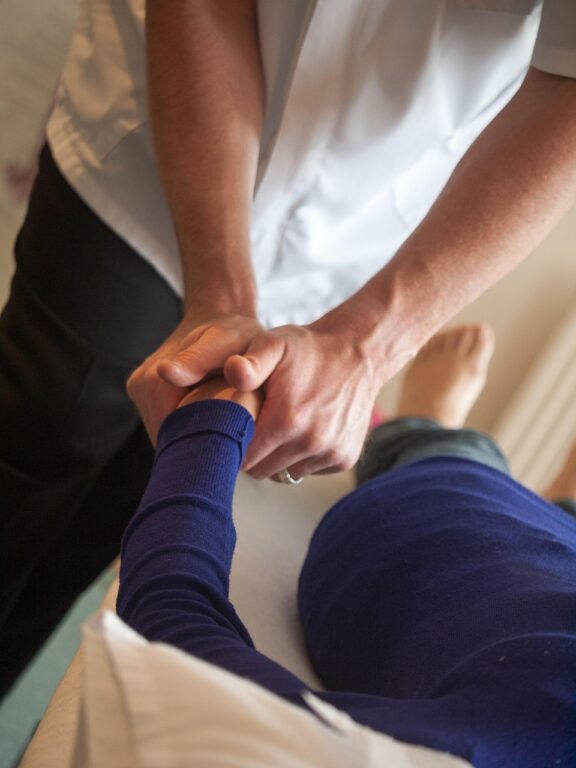
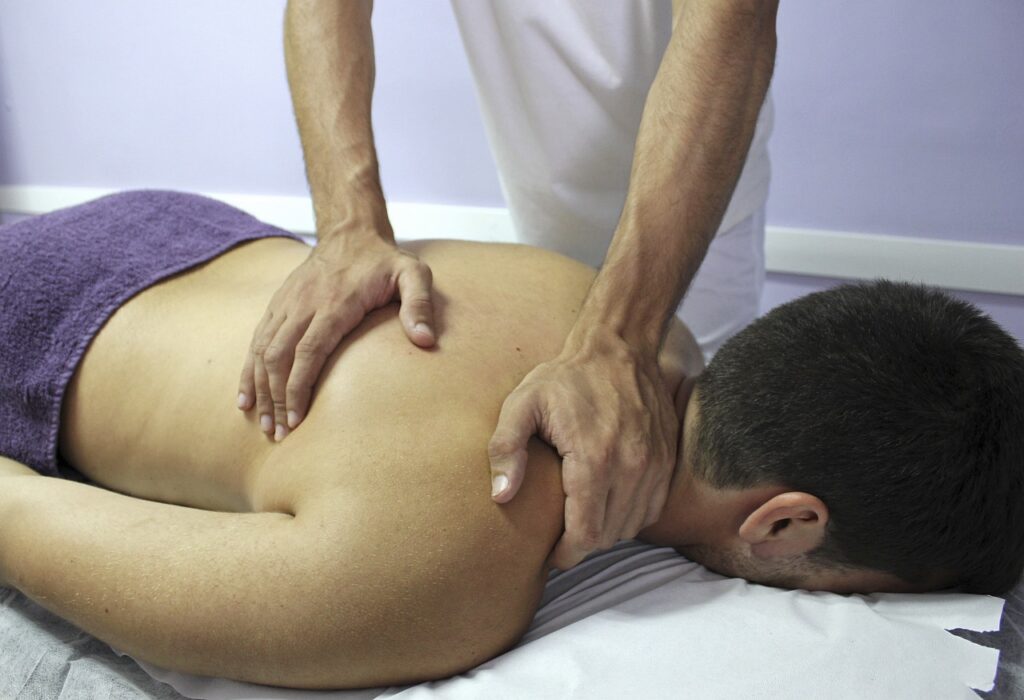
Shiatsu, a traditional Japanese massage technique, is more than just relaxation—it’s a pathway to balance and vitality. Using gentle yet firm pressure with thumbs, palms, and fingers, shiatsu works along the body’s energy pathways, known as meridians. This helps release tension, improve circulation, and restore your body’s natural harmony.
Acupuncture is an ancient Chinese healing practice that has been used for over 2,000 years. It involves inserting fine, sterile needles into specific points on the body, known as acupoints, to stimulate the body’s natural healing processes. This holistic treatment is based on the belief that the body has vital energy, or “qi” (pronounced “chi”), that flows along pathways called meridians. When the flow of qi is disrupted, it can lead to physical and mental health issues. Acupuncture aims to restore the balance of this energy and, in turn, promote wellness.
In today’s fast-paced world, stress has become as common as coffee breaks. But what if the key to lasting relief lies in an ancient Japanese technique that doesn’t involve machines, medications, or mystery? Enter Shiatsu — a hands-on healing art that uses nothing more than fingers, thumbs, palms and elbows to press, stretch, and soothe the body into balance.
Acupuncture involves inserting very thin needles into specific points on the body to stimulate the flow of Qi (life energy). These points lie along meridians — invisible pathways that connect our organs, muscles, and emotions. By targeting these points, acupuncture helps to restore balance, relieve pain, reduce stress, improve sleep, and even support digestion and fertility.
Shiatsu is like therapy — but with thumbs. If you’re looking for a massage that goes beyond the surface, treats your body like an energy map, and makes you feel like you just got rebooted, give Shiatsu a try. Just don’t be surprised if you find yourself saying: “That was intense… when can I book my next session?”
If the thought of needles makes you nervous, acupuncture might surprise you — in the best possible way. This ancient Chinese therapy has been practiced for thousands of years, yet it continues to gain popularity in modern wellness circles. Why? Because it works.
Fans of Shiatsu say it helps with everything from stress and fatigue to headaches, digestive issues, and even emotional burnout. Some scientific studies suggest it stimulates circulation and the parasympathetic nervous system — the part of your brain that says, “Everything’s fine, chill out.” Even if you’re skeptical, it’s hard to deny how amazing your body feels afterward. You might walk out floating… or at least standing up straighter than you have in years.
It doesn’t hurt. Yes, they’re needles. No, it’s not like getting a flu shot. Most people describe the sensation as a mild tingle, warmth, or heaviness. Some even fall asleep on the table.
A typical Shiatsu session involves lying down while the practitioner presses, stretches, and kneads various points on your body. The goal? To restore balance to your Qi (life energy), ease tension, and leave you feeling like a blissed-out noodle. If you’ve ever wanted a massage that feels like a combination of bodywork, meditation, and a surprisingly gentle wrestling match, Shiatsu is your jam.
Some studies show real, measurable benefits, especially for pain relief. In fact, the World Health Organization recognizes acupuncture as an effective treatment for more than 30 conditions. But other researchers say the placebo effect could be at play — people believe it works, so it does.